


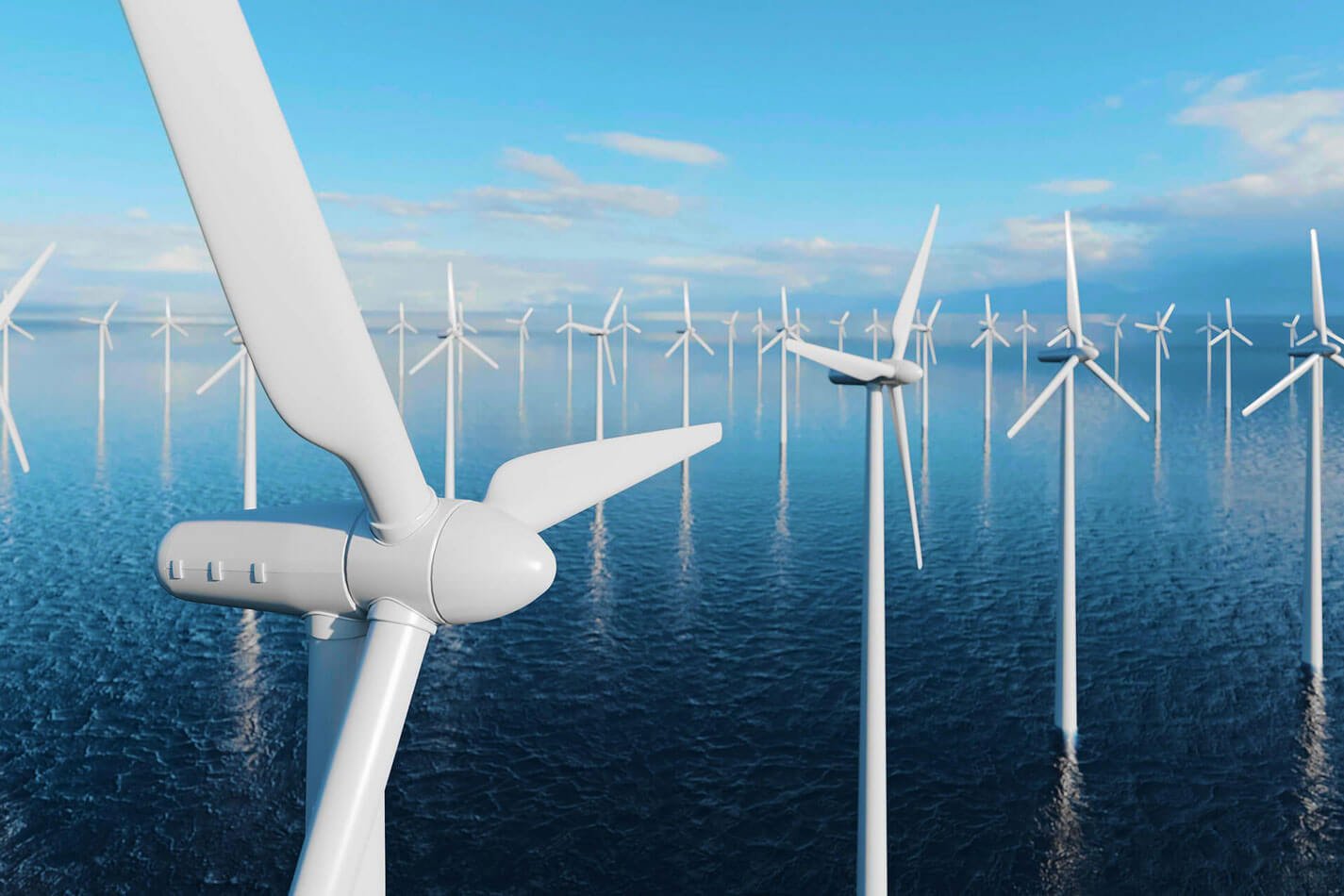
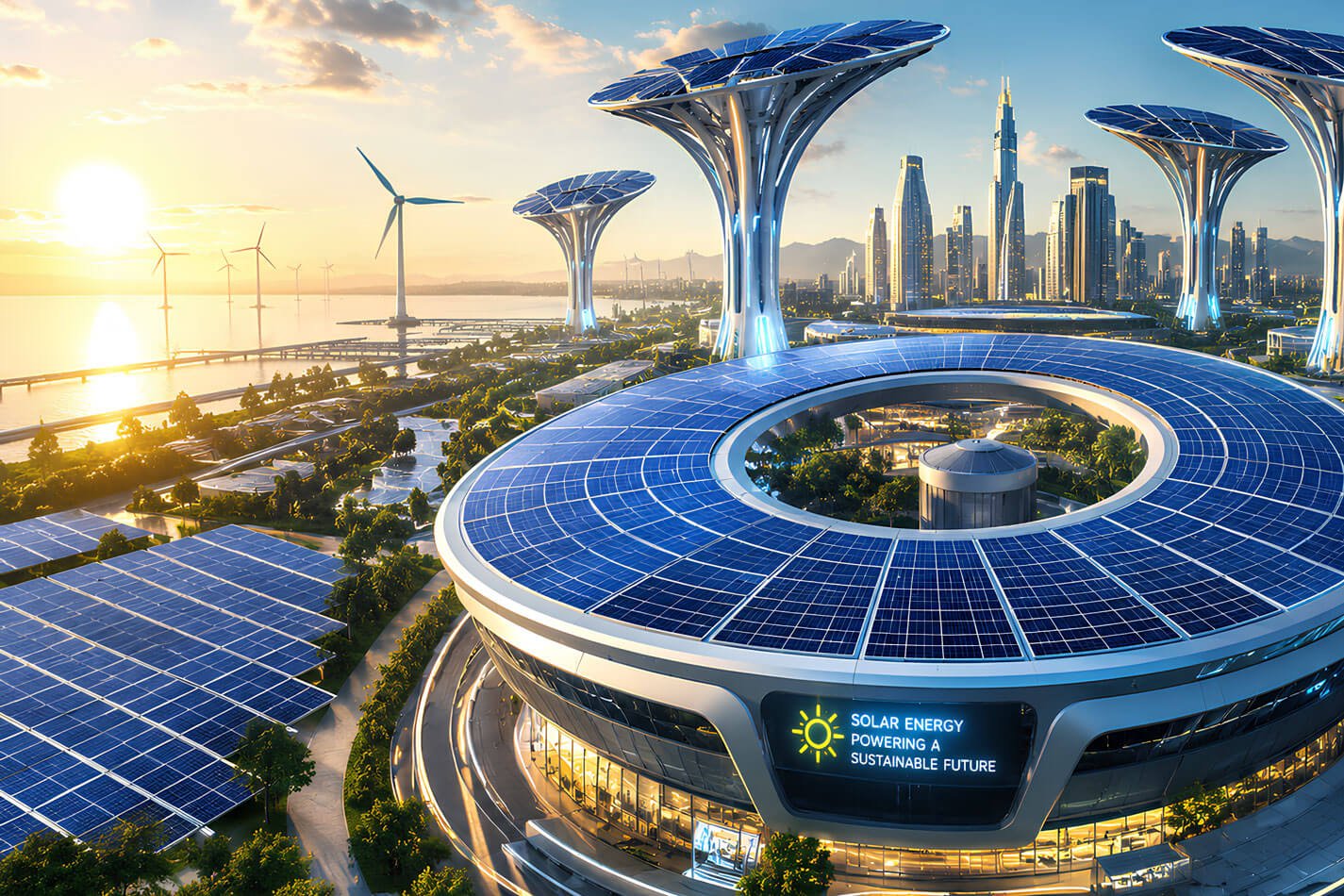
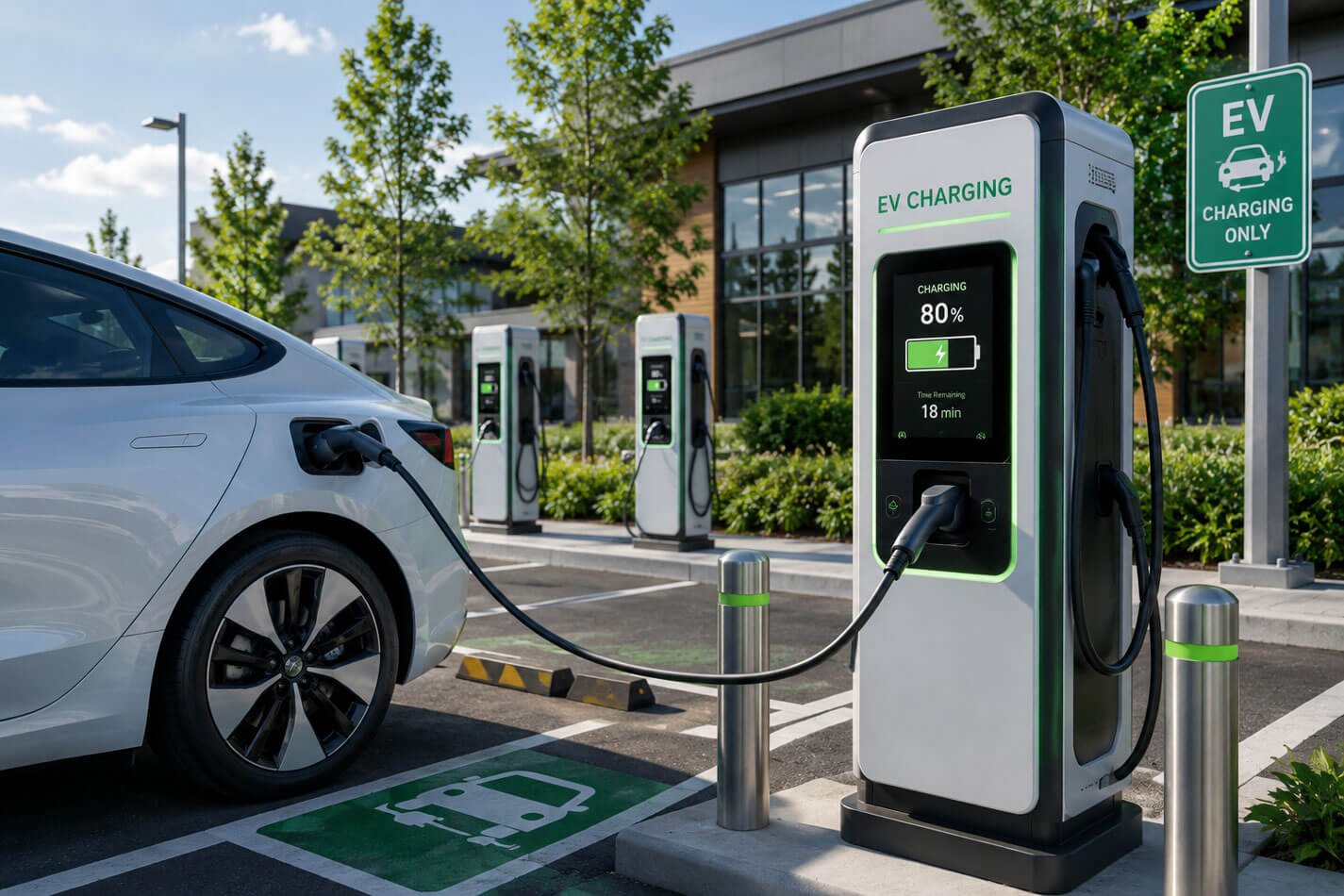
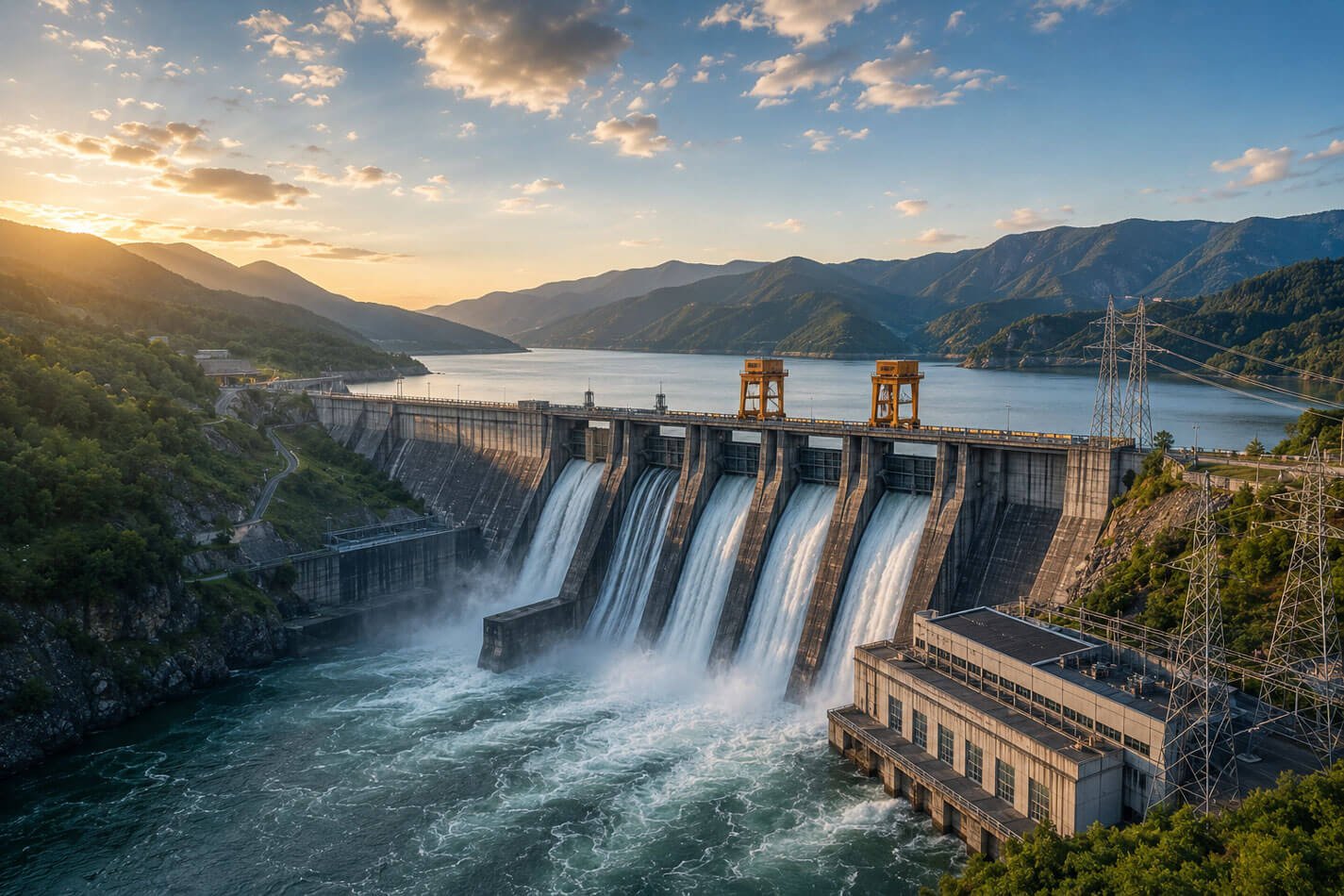
The transition toward sustainable energy is reshaping the way homes, businesses, and industries generate and consume electricity. Advances in renewable technologies, energy storage, and smart grid systems have made clean energy more accessible, efficient, and reliable than ever before. These innovations are helping reduce carbon emissions while supporting long-term economic and environmental sustainability.
Governments, organisations, and communities worldwide are investing in renewable energy infrastructure to meet growing energy demands responsibly. As technology continues to evolve, solar, wind, and other renewable resources are playing an increasingly important role in creating resilient energy systems that benefit both people and the planet.
Driving Innovation Through Renewable Technologies
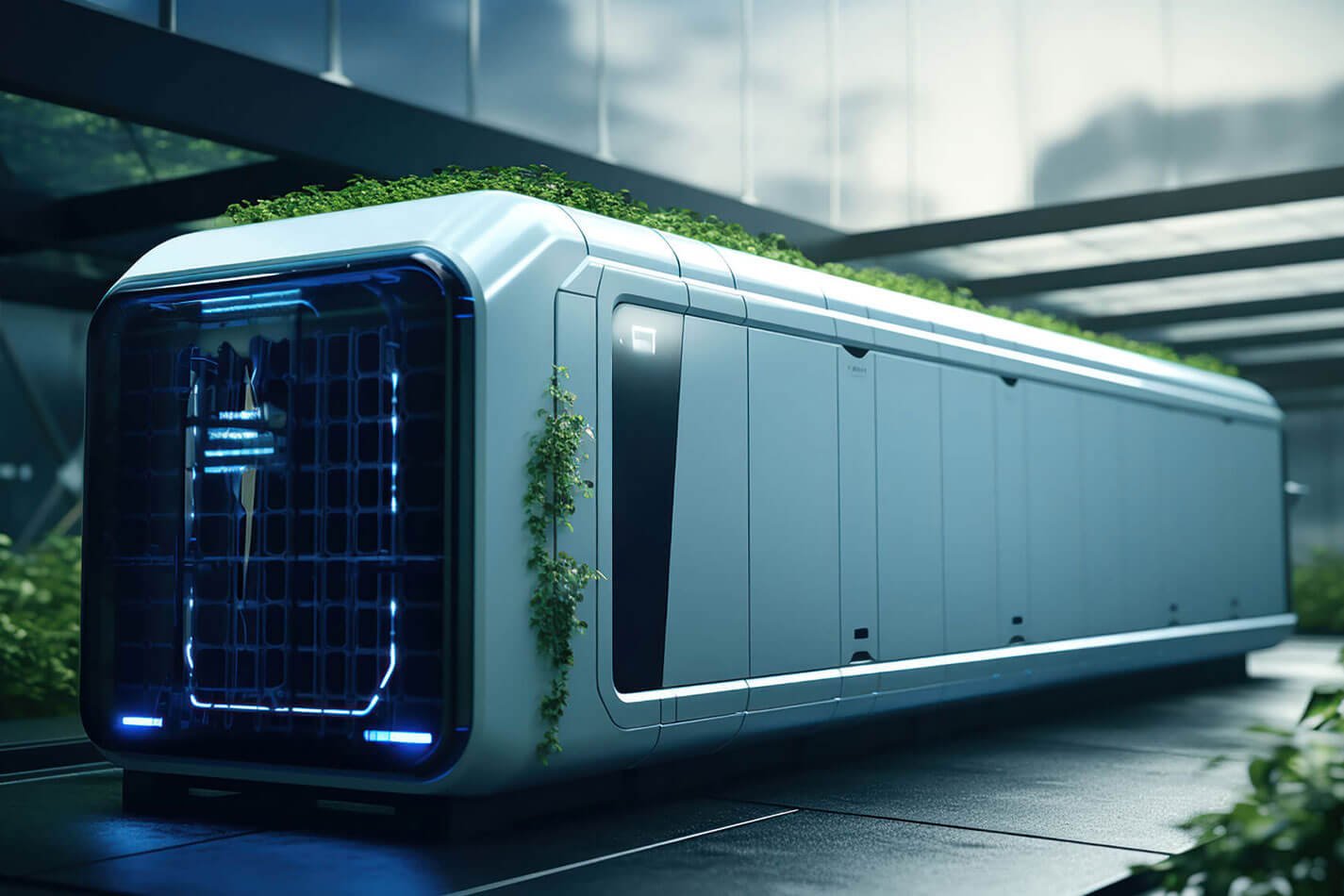
Modern renewable energy solutions combine advanced engineering with intelligent digital technologies to maximise performance and efficiency. Smart monitoring systems, AI-powered energy management, and next-generation battery storage enable renewable power systems to operate more effectively while reducing operational costs.
“Renewable energy is more than an alternative—it’s the foundation of a cleaner, smarter, and more sustainable future for generations to come.”
— Emily Johnson, Renewable Energy Consultant
These innovations also improve energy reliability by balancing supply and demand, optimising power distribution, and providing real-time performance insights. By embracing technological advancements, businesses can increase productivity, lower energy expenses, and strengthen their commitment to environmental responsibility.
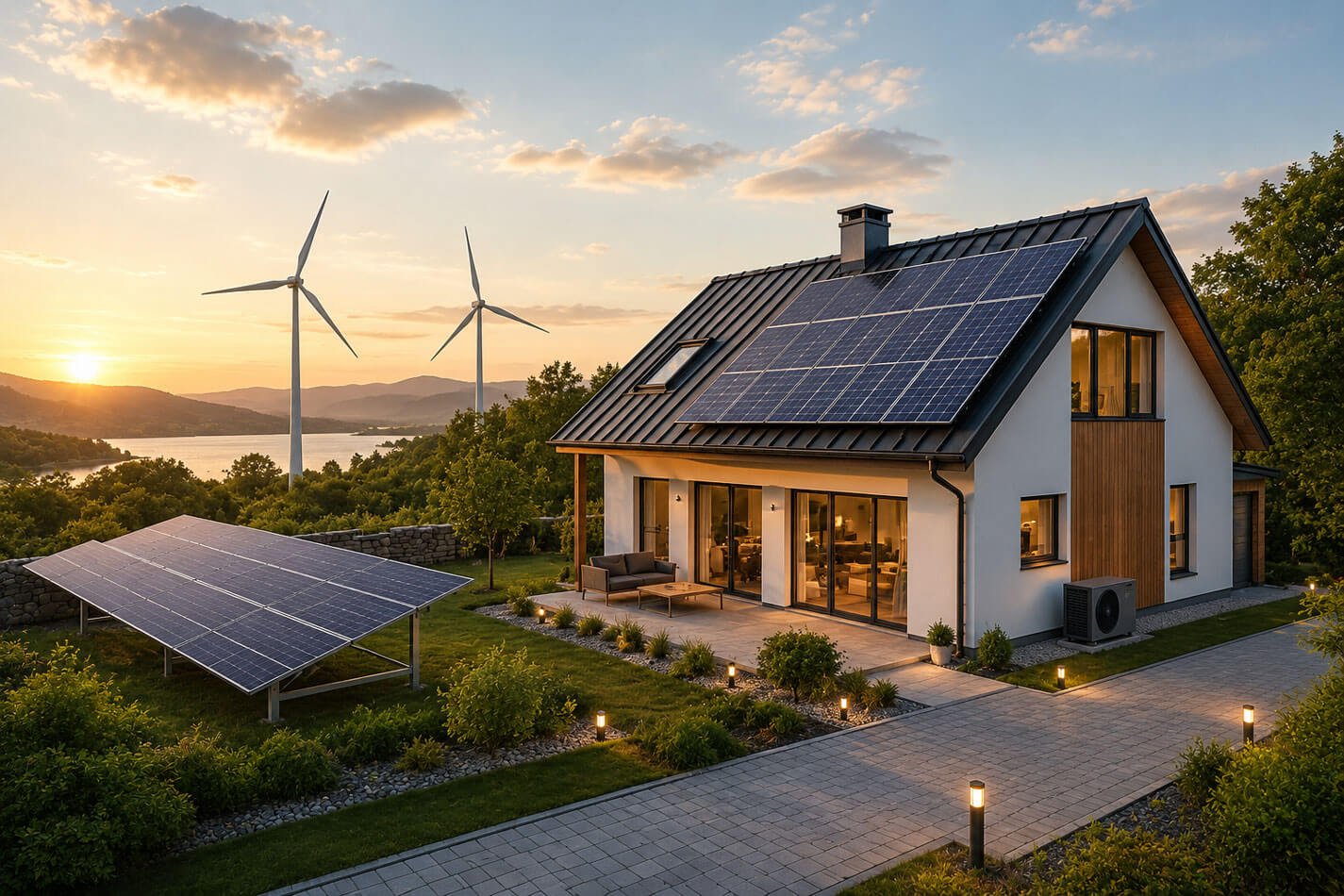
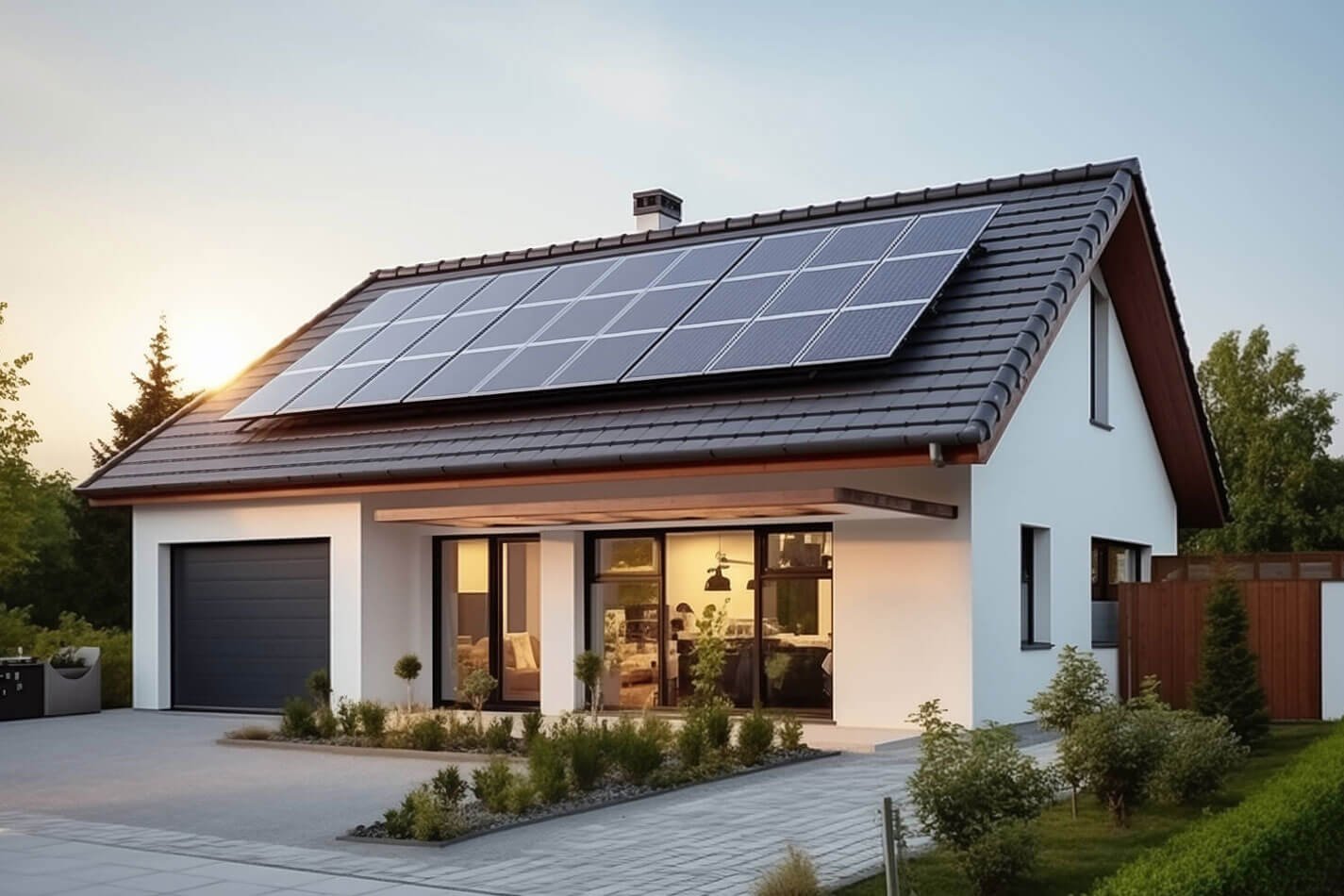
Building A Sustainable Future Together
Creating a sustainable future requires collaboration between governments, industries, technology providers, and local communities. Renewable energy projects not only reduce dependence on fossil fuels but also create new economic opportunities, improve energy security, and encourage responsible resource management.
By adopting innovative renewable energy solutions today, organisations can build resilient infrastructures that support future generations while contributing to a cleaner, healthier, and more sustainable world.
